
Revitalizing Comics: Problems and Solutions in the Industry
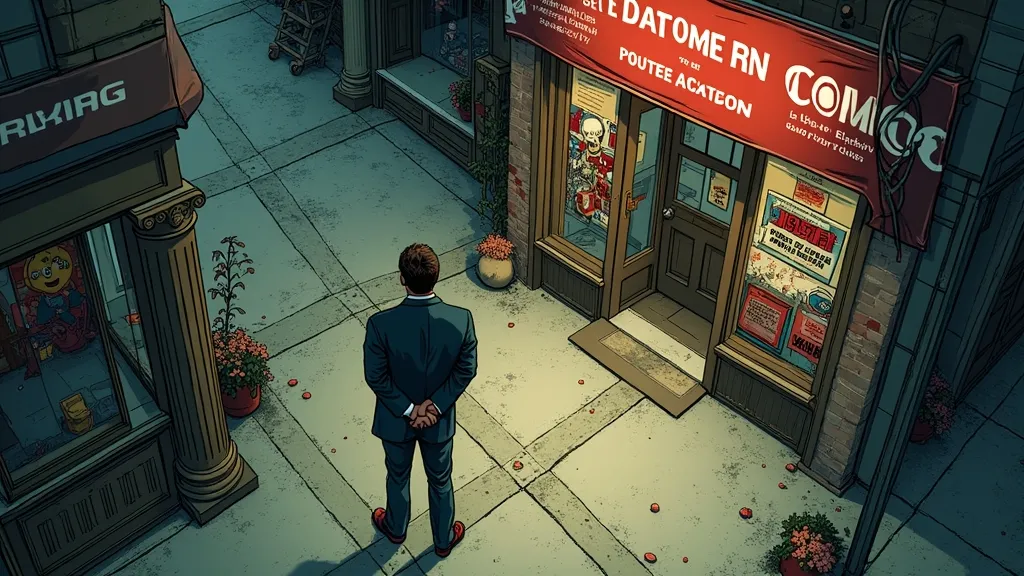
A Growing Concern: Problems Facing Comics
The comic book industry is experiencing seismic shifts. From digital transformations to evolving reader demographics, the problems facing comics are multifaceted and increasingly complex. As creators, publishers, and fans navigate this dynamic terrain, understanding these challenges is vital. With insight from industry experts and data analyses, we can explore innovative solutions to revitalize this beloved medium.
The Decline of Print Sales
One of the most significant issues confronting the comic book industry is the decline in print sales. According to a report by ICv2, graphic novel sales rose by 22% in 2020, showcasing a notable shift from traditional comic book formats. However, this growth often conceals the more substantial decline in monthly comic sales, which fell from 80 million copies in 1993 to just 18 million in 2019.
Problem Analysis
The decline of print sales can be attributed to several factors:
-
Digital Transition: The rise of digital platforms has shifted reader behavior. With apps like ComiXology and Webtoon offering instant access to thousands of comics, many readers prefer the convenience of digital over printed formats.
-
Economic Factors: Economic downturns influence consumer spending. The average price of a comic has increased, presenting a barrier for casual readers.
-
COVID-19 Pandemic: The pandemic further exacerbated sales declines as brick-and-mortar stores closed temporarily, causing many comic shops to struggle or close permanently.
A Shift to Digital: Embracing the Change
While the decline in print sales poses challenges, it also presents opportunities. The digital space allows for innovative storytelling techniques and broader reach. Publishers are now exploring ways to harness this digital shift.
Solutions:
-
Diverse Publishing Platforms: Publishers should embrace multiple platforms, including webcomics and mobile apps. By doing so, they can reach diverse audiences and cater to varying preferences. Platforms like Tapas and Webtoon allow creators to publish their work and receive audience feedback in real-time.
-
Enhanced Marketing Strategies: Engaging with audiences through social media and influencer collaborations can effectively promote new releases. By leveraging platforms like Instagram and TikTok, publishers can introduce comics to a younger demographic more inclined to consume content online.
-
Subscription Models: Companies should consider subscription models similar to Netflix or Spotify. This approach could offer readers access to an extensive library of comics for a flat monthly fee, encouraging exploration and readership.
Representation and Inclusivity
The comic industry has faced criticism for its historical lack of representation. Many mainstream comics have primarily featured white, male protagonists, leaving marginalized communities underrepresented.
Problem Analysis
-
Cultural Expectations: Traditional narratives may fail to resonate with diverse audiences. A lack of relatable characters can alienate potential readers.
-
Gatekeeping: Established norms within the industry often hinder new voices from entering the scene, perpetuating a cycle of sameness.
-
Market Demand: As society evolves, so do the expectations of readers. The modern audience seeks diverse stories that reflect their experiences.
The Path Toward Inclusion
By prioritizing representation, the comic book industry can tap into untapped markets and enrich storytelling.
Solutions:
-
Diverse Creator Initiatives: Encouraging diverse creators to share their stories can lead to a more inclusive narrative landscape. Programs like DC’s We Are Heroes strive to amplify underrepresented voices.
-
Collaborations and Anthologies: Publishers should consider collaborating with various creators to create anthologies that celebrate diversity. This not only showcases a range of voices but also introduces readers to new perspectives.
-
Community Engagement: Building relationships with communities can foster a deeper understanding of their narratives. Engaging in events, workshops, and conventions can bridge gaps and create authentic representation in comics.
The Age of Over-saturation
Another pressing issue in the comic book realm is the over-saturation of titles. The market is flooded with numerous releases, making it difficult for readers to know what to choose.
Problem Analysis
-
Lack of Curation: With so many titles available, readers may feel overwhelmed, leading to decision fatigue.
-
Quality vs. Quantity: Many titles are released without adequate quality assurance, leading to a decline in overall readership satisfaction.
-
Shelf Space: Retailers struggle to allocate shelf space effectively, causing some books to go unnoticed.
Curating the Comic Experience
To mitigate the effects of over-saturation, publishers should implement strategies that focus on quality over quantity.
Solutions:
-
Editorial Curation: Having dedicated editorial teams to curate new titles can enhance the reading experience. By highlighting the best stories, readers are more likely to discover and engage with high-quality content.
-
Limited Series and Events: Publishers can focus on producing limited series that create buzz around a title while minimizing market clutter. This strategy can lead to heightened anticipation and a more concentrated readership.
-
Reader Feedback: Encouraging reader feedback can ensure that publishers understand what audiences desire. Engagement through polls and surveys can guide future releases, promoting a more audience-driven approach.
The Rise of Intellectual Property Challenges
As the comic book industry strives for growth, the competition for compelling intellectual property (IP) has intensified. The increasing demand for adaptations in film and television has created both opportunities and challenges.
Problem Analysis
-
IP Ownership Conflicts: As adaptations proliferate, creators face challenges concerning IP ownership and rights. Many creators are at risk of losing ownership over their work when adaptations are made.
-
Pressure for Adaptation: Not all comics are suitable for adaptation. The pressure to create a “marketable” story can stifle creativity and lead to formulaic narratives.
-
Market Saturation of Adaptations: With numerous adaptations flooding the market, there is a risk of audience fatigue, leading to diminishing returns for new versions.
Navigating the IP Landscape
To counter the challenges of intellectual property management, the industry must promote a culture that respects creators’ rights and nurtures original storytelling.
Solutions:
-
Transparent Contracts: Publishers should adopt transparent contracts that clearly outline rights and ownership. Ensuring creators understand their roles in adaptations can foster trust and collaboration.
-
Creative Freedom: Encouraging creators to develop original stories without the pressure of adaptation can result in more diverse and engaging narratives.
-
Strategic Partnerships: Collaboration between comic creators and the film/television industry should prioritize fair compensation and rights management. This ensures creators are duly acknowledged for their work.
Future Trends: Embracing Technology and Interactivity
As the comic book landscape evolves, technology continues to play a crucial role. The integration of interactive elements has the potential to engage readers on new levels.
Emerging Technologies
-
Augmented Reality (AR): Comics can leverage AR to create immersive experiences. Readers could unlock additional content or 3D animations through their devices, enhancing the storytelling experience.
-
Virtual Reality (VR): Virtual reality could redefine how stories are told. Imagine stepping inside a comic world and interacting with characters and environments.
-
Crowdfunding Platforms: Creators are increasingly turning to platforms like Kickstarter to fund their projects. This allows for direct engagement with fans and a more tailored approach to production.
Conclusion: A Call to Action
The problems facing comics today are significant, but solutions are within reach. By embracing digital platforms, prioritizing representation, curating the market, navigating IP challenges, and leveraging technology, the industry can position itself for a revitalized future.
Engaging with creators, readers, and communities will be essential in shaping the comics landscape. Let’s champion diverse voices and innovative solutions, ensuring comics remain a vibrant and dynamic form of storytelling for generations to come.
As we move forward, collaborations and shared efforts will be crucial. By uniting the strengths of writers, artists, publishers, and fans, we can tackle the challenges ahead and continue to celebrate the unique world of comics.
For those interested in creating their own comics, check out our article on Mastering Comic Creation: Tips and Tricks for Aspiring Artists. Together, let’s inspire the next generation of storytellers!